Local Show Me
Blog / Interviews

A Dialogue with ZUZU: The Hidden Meaning Behind Urban Light

by Local Show Me

In the third episode of our interview series, we delve into the universe of ZUZU, an artist whose mural "Delayed Light" has sparked debate and admiration in equal measure. The piece, located on a side wall in the industrial area, is a complex play of shadows and vibrant colors.

Artistic detail of a mural with shadows and orange light, on a concrete background
"Delayed Light" by ZUZU – an exploration of time and perception.

From Sketches to Concrete: The Creative Process

ZUZU describes the process as an "urban alchemy." "I don't start with a perfect drawing. I start with a sensation, a feeling of place. Then, I use the spray can and roller to have a dialogue with the space. This cold concrete comes to life through successive layers of color. This electric blue," he explains, pointing to a portion of the mural, "represents the moment of clarity that always comes too late, after the decision has already been made."

Unlike other artists who plan meticulously, ZUZU lets the work transform organically. "Sometimes, the weather intervenes. The rain thinned the paint, creating an effect I couldn't anticipate. I integrated those stains, made them part of the narrative. Street art is alive, it breathes, it changes – just like the city."
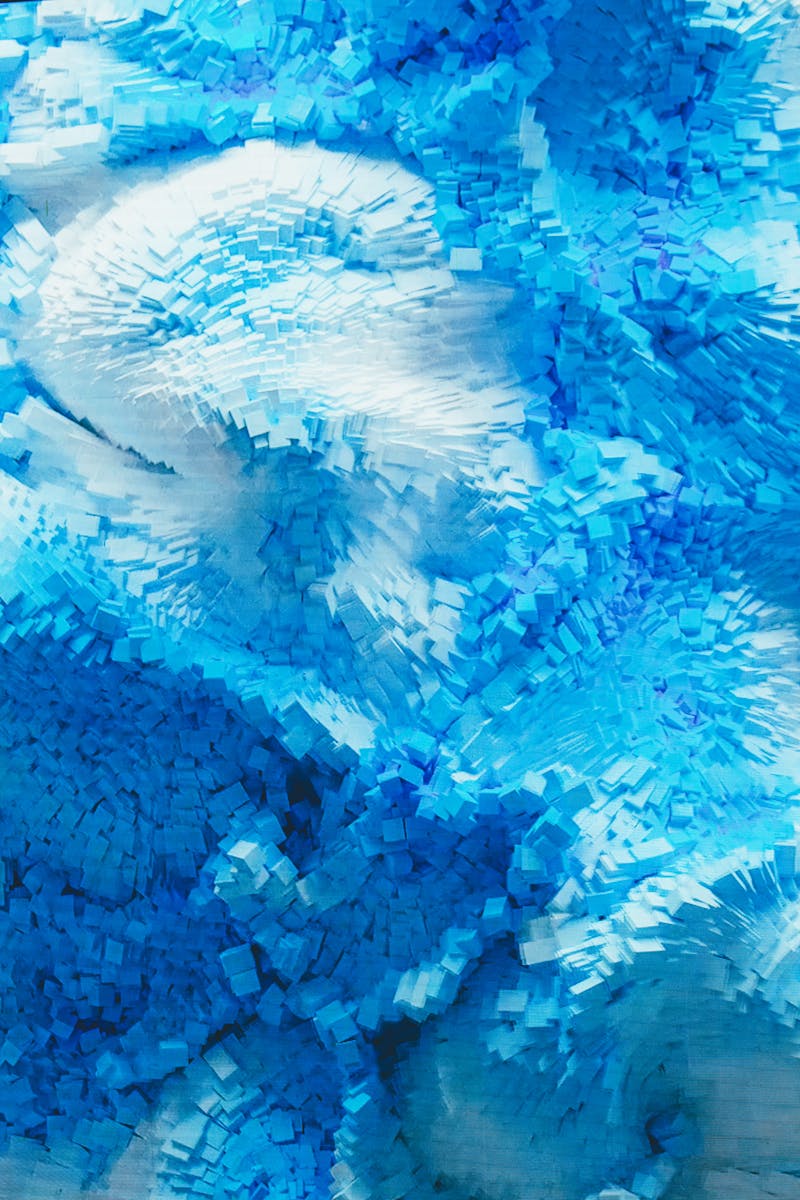
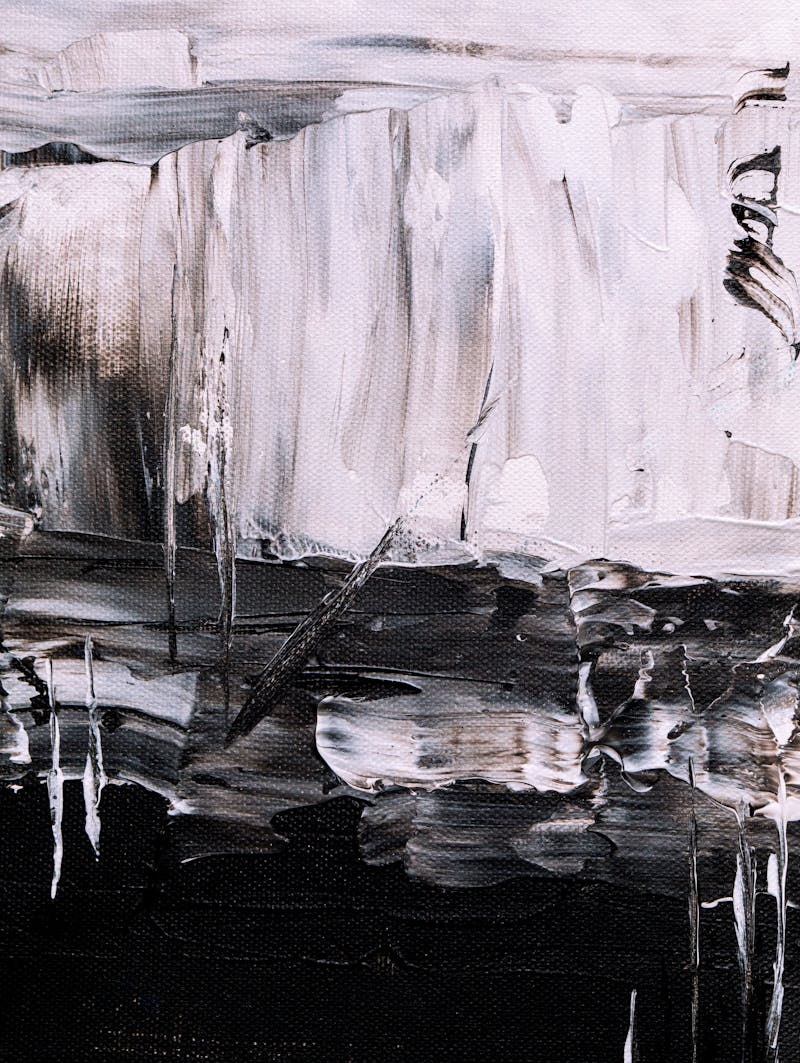
Artist at work on scaffolding, applying fine details to a large mural Close-up detail of texture and paint on a concrete wall

The Meaning of the Work: More Than Meets the Eye

"Leaders see political symbolism, young people see an aesthetic revolt, and ordinary passersby simply see a beautiful explosion of color. All interpretations are valid," says ZUZU. He emphasizes that his central message is about patience and perception. "In a world that demands instant results, this light that 'delays' is a memento. Beauty and understanding come at their own right time, not when we schedule them."

"My art is not an answer. It's a big question painted on a wall, to which every passerby answers silently, in their own mind."

The discussion also touched on the subject of preserving street art. "I know it is ephemeral. It might last two years, maybe two weeks. But this impermanence is essential. It teaches you to cherish the present, to enjoy the work now, here, before the weather or another layer of paint covers it."

urban-art interview mural meaning creative-process

Frequently Asked Questions about Street Art

Answers to the most common curiosities about murals, graffiti, and the urban artistic process.

Q. What is the difference between graffiti and mural art?

Although both are part of urban culture, graffiti often focuses on letters, tags, and quick calligraphic styles, sometimes having an ephemeral or unauthorized character. Mural art is typically a large-scale, planned, authorized work with a more narrative or decorative visual message, often created with spray paint or exterior paint.

Q. How can I identify if a street art piece is legal?

Legal works are usually signed by the author or have an informational plaque nearby. They are integrated into the urban landscape, often on walls of public or private buildings with the owners' consent. On our platform, Local Show Me, we specifically feature legal street art and murals, including details about the artist and location.

Q. What techniques and materials do urban artists use for murals?

Techniques range from classic spray and acrylic exterior paint to mixed techniques that include sticker-art, posters, or even mosaic elements. Materials must be weather-resistant. The process often involves preliminary sketches, digital design, and for large surfaces, the use of projectors or grids.

Q. How can I suggest a wall or location for a new mural?

If you own a space or know of a wall that could become an urban masterpiece, the best way is to contact local artist associations or the city's cultural authorities directly. You can also send us your suggestion via our contact page, and we can discuss it with our community.

Q. Is street art protected by law? What happens when a building is demolished?

In many cities, significant street art works, especially those created with consent, can benefit from some protection or recognition as contemporary cultural heritage. Unfortunately, the ephemeral nature of urban space means some works disappear with the renovation or demolition of buildings. Photographic documentation, like that done by Local Show Me, becomes essential to preserve the memory of these works.

Do you have other questions about urban art in the city? Contact us.

Local Show Me — The visual portfolio of local street art.

Cookies and Privacy

This site uses cookies to improve your experience. By continuing to browse, you agree to our privacy policy. Data is processed securely and used only for essential functionalities.

🌍 EN
RO EN